

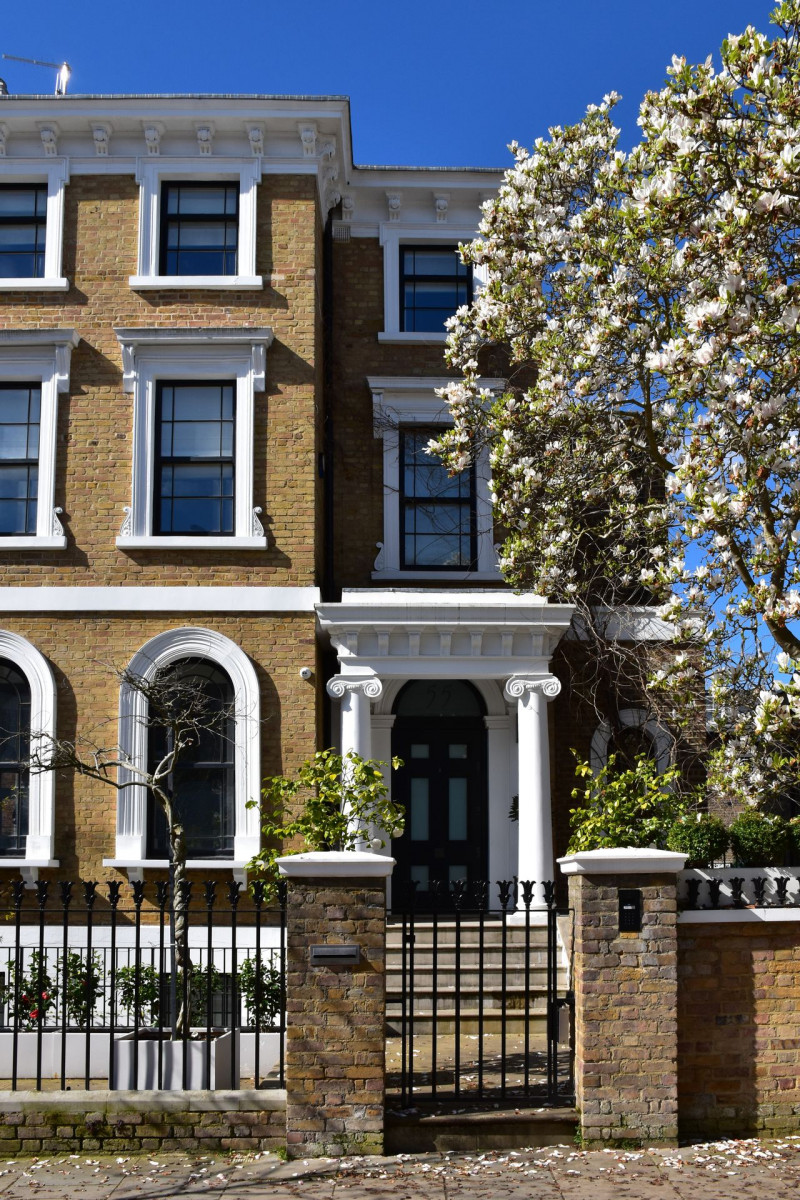
When purchasing residential property in London, one of the most fundamental choices buyers face is deciding between a sleek, modern new build development and a historic, character-rich period property.
Both asset classes hold immense appeal in the UK market, yet they offer vastly different ownership experiences, financial profiles, and long-term capital considerations. At Capital Homes International, we represent buyers across both sectors. Below is a detailed breakdown comparing the key elements of both property types to help guide your decision.
At a Glance: Key Differences
Feature | New Build Property | Period Property (Georgian, Victorian, Edwardian) |
Architectural Style | Contemporary, clean lines, floor-to-ceiling glass | High ceilings, period mouldings, original fireplaces, sash windows |
Typical Condition | Turnkey, brand-new appliances, zero initial work required | Variable; ranges from fully renovated to requiring modernising |
Energy Efficiency (EPC) | Typically Band A or B; modern insulation & heat systems | Typically Band D to F; solid walls, single glazing unless retrofitted |
Maintenance & Guarantees | 10-Year Building Warranty (e.g., NHBC) + initial developer cover | Ongoing upkeep required; structural budgets higher |
Amenities & Facilities | Concierge, gym, cinema rooms, secure underground parking | Private gardens, tree-lined streets, traditional street parking |
Value-Add Potential | Limited (fixed footprints, managed developments) | High potential for extensions, loft conversions, or cosmetic upgrades |
- Energy Efficiency & Running Costs
Energy performance has become a paramount metric for both owner-occupiers and buy-to-let investors in the UK.
- New Build Advantage: Over 85% of new developments achieve an EPC rating of A or B. Constructed with modern insulation, high-performance glazing, smart heating, and solar or heat-pump tech, new builds significantly reduce energy consumption and monthly utility bills. For landlords, this guarantees compliance with regulatory minimum energy standards.
- Period Property Considerations: Historic homes (pre-1945) were built with solid brick walls and timber sash windows, which naturally lose heat. Retaining period character while improving an EPC rating often requires capital outlay for draft-proofing, secondary glazing, or interior insulation.
- Guarantees vs. Maintenance Profiles
The physical upkeep of a property directly affects predictable monthly outlay.
- New Build Security: New developments come with a 10-year structural warranty (such as NHBC or Premier Guarantee) and a developer defect warranty for the first two years. This offers peace of mind for international buyers or investors looking for a hands-off, low-maintenance asset.
- Period Property Maintenance: Older properties demand an ongoing maintenance strategy. Upkeep of roofing, brickwork, timber windows, and aging boilers requires a dedicated annual maintenance fund. However, well-maintained period properties retain timeless value and structural longevity.
- Floor Plans, Proportions & Value-Add Potential
How you intend to use or alter your living space plays a major role in property selection.
- New Build Layouts: Designed around modern living—featuring open-plan kitchen/dining spaces, lateral layouts, built-in storage, and floor-to-ceiling windows maximizing light. However, the footprint is fixed, offering virtually no scope to physically extend.
- Period Character & Space: Period properties offer distinctive charm, high ceilings, generous room proportions, and grand period features that cannot be replicated in modern construction. Critically, older homes often allow owners to add square footage and capital value through loft conversions, rear extensions, or side returns (subject to planning and conservation rules).
- Location & On-Site Amenities
- New Build Developments: Frequently situated in major regeneration corridors (e.g., Nine Elms, Canary Wharf, White City) or integrated into multi-use schemes. They often feature 24-hour security, concierge services, wellness facilities, and private communal gardens.
- Period Properties: Typically found in established, long-standing residential enclaves (e.g., Kensington, Chelsea, Marylebone, Holland Park). They benefit from mature tree-lined avenues, proximity to historic high streets, and heritage conservation protections.
Summary Verdict: Which Should You Choose?
Choose a New Build Property if you:
- Want a turnkey investment with minimal initial outlay or refurbishment stress.
- Prioritise high energy efficiency, low utility costs, and modern security/concierge services.
- Are an overseas buyer or investor seeking a low-risk, predictable asset with high tenant appeal.
Choose a Period Property if you:
- Value architectural character, high ceilings, and original period details.
- Want an asset where you can reconfigure, renovate, or extend to add capital value.
- Prefer living in established heritage neighbourhoods in Prime Central London.
Expert Advisory with Capital Homes International
Whether you are looking for an off-plan luxury apartment with full resort amenities or an off-market period townhouse in Central London, our senior advisory team provides unhedged guidance and full market sourcing.
Contact Capital Homes International today to discuss your property search with our partners.


