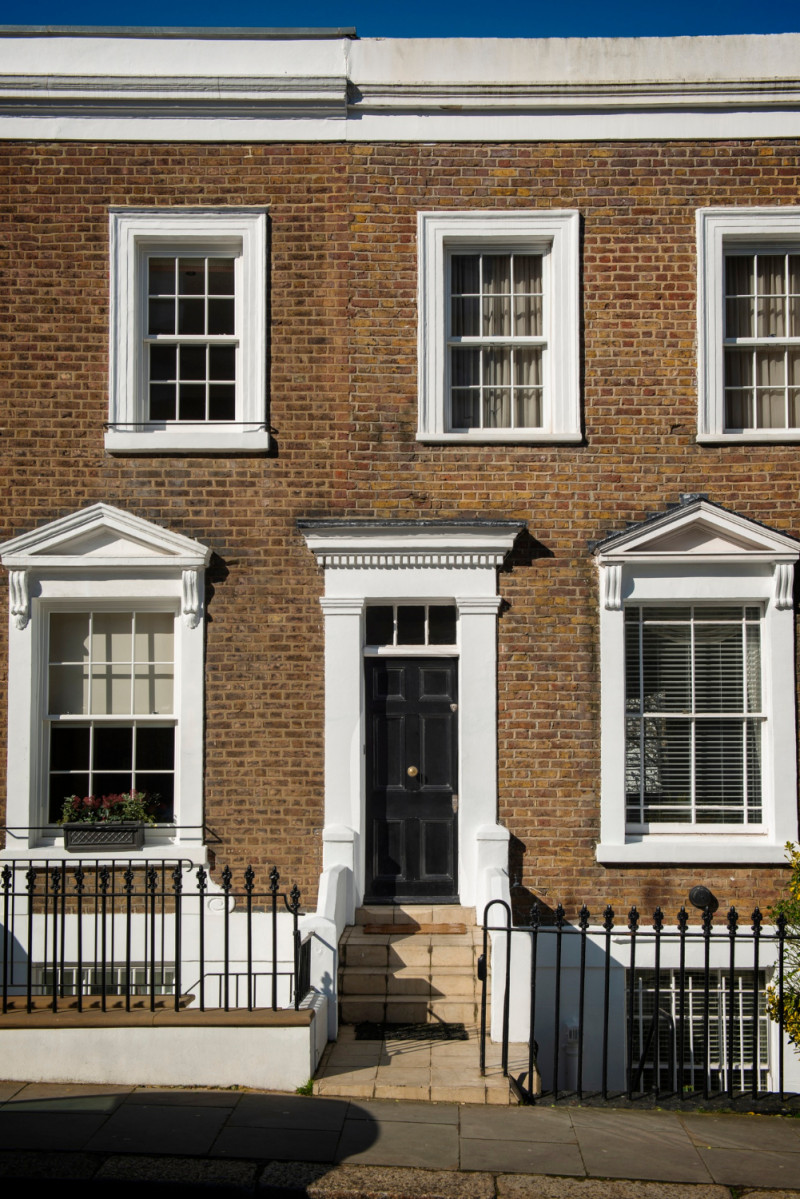
As of April 2026, the global real estate eye is firmly fixed on London. While the domestic UK market grapples with the inflationary ripples of the war in Iran, the Prime Central London (PCL) sector is telling a different story—one of strategic entry points and the enduring "Safe Haven" effect.
For the international investor, the current intersection of geopolitical tension and market supply has created a unique "buy" signal that hasn't been seen in over a decade.
- The Safe Haven Pivot
Historically, when global instability rises—specifically in the Middle East—capital flows toward "Tier 1" cities with transparent legal frameworks. Despite the disruption in the Gulf, London remains the world’s most liquid and legally secure real estate market.
- Capital Preservation: While the war in Iran has caused volatility in global equities, London’s blue-chip postcodes (Mayfair, Marylebone, and Belgravia) are being utilized by UHNWIs (Ultra-High-Net-Worth Individuals) as a hedge against global uncertainty.
- The Stability Premium: International buyers are prioritizing the UK’s "rule of law" more than ever, viewing a London asset as a secure long-term storage of wealth during regional conflicts.
- A Rare Window: The "Supply Surge" Opportunity
London is currently experiencing an 11-year high in luxury inventory. A significant amount of stock has entered the market this spring, much of it from "liquidity-driven" releases in areas like Kensington and Chelsea.
- The Buyer’s Edge: For the first time in years, international investors have the upper hand in negotiations. Sellers, wary of the war’s impact on domestic mortgage rates, are increasingly open to flexible offers from cash-ready international buyers.
- Off-Market Advantage: Much of the best "war-resilient" stock is currently trading off-market. For global investors, this is the time to leverage local search agents to find distressed or high-value assets before they hit public portals.
- Currency Play: The Dollar vs. The Pound
The conflict in Iran has kept the British Pound in a sensitive position compared to the US Dollar and GCC-pegged currencies.
- Enhanced Purchasing Power: For investors holding USD or those from the Middle East (UAE, Qatar, Saudi Arabia), the "currency discount" on London property remains a significant draw. When combined with the slight softening of asking prices (up only 0.8% this month vs. the usual 1.2%), the "real" price for a dollar-based buyer is effectively lower than it was six months ago.
- The Rental Yield "Gold Rush"
While the sales market navigates geopolitical headwinds, the London rental market is booming.
- Record Demand: International mobility remains at an all-time high. Corporate relocations and high-net-worth students are driving rents in Prime London to 35% above pre-pandemic levels.
- Attractive Yields: For the buy-to-let investor, gross yields in select Zone 1 and 2 pockets are pushing toward 4.8%, a figure rarely seen in London’s luxury sector over the last twenty years.
Investor Snapshot: Why Now?
- Inventory: Highest choice of Prime property since 2015.
- Pricing: Softened competition from domestic, mortgage-reliant buyers.
- Long-term Outlook: 2026 is viewed as the "market floor" before a projected recovery in 2027.
Conclusion: A Strategic Entry Point
The war in Iran has undoubtedly introduced a layer of caution to the UK economy, but for the international investor, this caution is an opportunity. London’s property market has weathered a century of global shifts; those who move during times of "perceived risk" often see the greatest capital appreciation when the geopolitical dust settles.
The verdict for 2026? London is not just staying relevant; it is reinforcing its status as the world’s premier asset class in an unpredictable age.